
By Sam Nelson – Associate, Axia Litigation Lawyers – 2nd March 2026
Over the past year or two, the Australian Taxation Office has moved from pandemic leniency to active debt recovery, and that shift is hitting small businesses hard — frozen bank accounts, personal director liability and rising insolvency risk are being seen right across Queensland.
If your business has overdue BAS, PAYG withholding or unpaid super, the ATO can use fast, powerful tools that often act without a court hearing. That can shut down trading overnight and, in some cases, make directors personally liable for company tax debts.
Key Numbers
- According to the ATO, their collectable debt was over $50 billion at 30 June 2025, with roughly $36 billion of that from small business.
- In 2024–25 the ATO issued more than 84,000 Director Penalty Notices and over 15,000 garnishee notices.
- Calls to the Small Business Debt Helpline spiked in 2025, helping with about $429 million of ATO debt.
The ATO’s main tools and what they feel like
Garnishee Notice
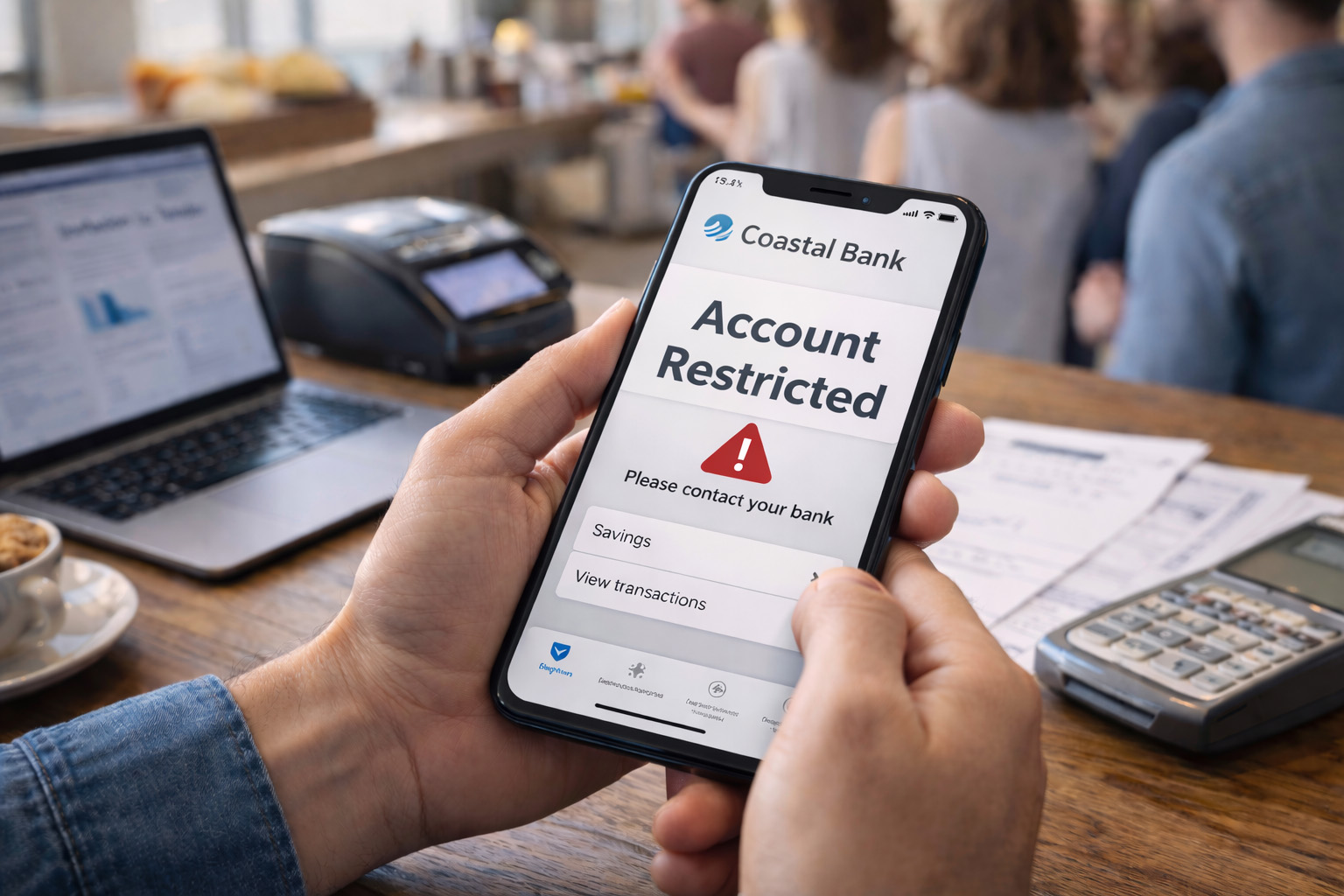
Like getting your bank account red carded. The ATO can tell your bank or a customer to hand money straight to them. No court, no warning in some cases, and you can be left without cash to pay staff or suppliers.
Example: A Queensland manufacturing business is expecting a payment from a major customer to cover payroll and supplier invoices. If the ATO issues a garnishee notice to that customer or the business’s bank, those funds can be redirected straight to the ATO. The business may then find itself unable to pay staff or suppliers on time, putting operations and relationships at risk.
Director Penalty Notice (DPN)
It’s like being told you’re on the hook for the team’s fine. If PAYG, GST or unpaid super aren’t paid, the ATO can make directors personally liable.
There are two types:
- Non-Lockdown DPN — you have 21 days to act: pay, appoint an administrator or start winding up of the company, or the penalty becomes yours personally.
- Lockdown DPN — if required returns weren’t lodged on time, personal liability can attach immediately and you lose many options.
Example: A tradie who signs paperwork but doesn’t check BAS lodgments may be hit with a DPN and told to pay tens of thousands personally.
Statutory demand and winding up
Credit reporting
Why directors can be personally liable — the blunt truth Director penalties are written in law.
The Taxation Administration Act allows the ATO to pin unpaid PAYG, net GST and superannuation guarantee charges on directors, subject to limited defences. Resigning after debts have built up usually won’t save you. Courts expect directors to be proactive, not to rely on others such as accountants or advisers.
How one ATO move can cause a cascade
A garnishee freezes cashflow, you miss rent or supplier payments, a supplier serves a statutory demand, banks call their securities, and suddenly you’re in insolvency. It’s like a cascading effect in sport where one error leads to a chain of missed tackles and a try for the other side.
What you should do in the next 72 hours
- Open every letter, SMS and email from the ATO. Don’t ignore anything — time limits matter (often 21 days).
- Check ASIC records now and update your contact details if wrong. The ATO uses ASIC addresses for service (check registered office, business and personal).
- Identify what the ATO says is owed — PAYG, GST, SGC — and whether returns were lodged on time. Lodgment timing can change your options.
- If you get a DPN: act within 21 days. Options are limited and time is short. Speak to a lawyer and your accountant immediately.
- If you get a statutory demand: assume the 21 day clock is ticking. If you have a genuine dispute, prepare evidence and apply to set it aside. If not, prepare restructuring options.
- If your account is garnisheed: contact your bank, your accountant and a lawyer now. Ask what funds are frozen and whether the garnishee can be lifted.
- Call the Small Business Debt Helpline on 1800 413 828 for free, confidential help, and involve your registered tax agent straight away.
Quick examples to remember
- The café with the diverted deposit — immediate cashflow shock, payroll missed. That can invite claims from staff and suppliers.
- A builder who thought “the accountant is handling it” and discovers a lockdown DPN because BAS wasn’t lodged on time, you might be suddenly personally liable.
- A retailer who ignored an ATO letter and wakes to a frozen bank account before the morning rush.
Playbook for rescue — options to discuss with your advisers
Small Business Restructuring (SBR)
Small Business Restructuring (SBR): a pathway for small companies to restructure. The ATO will often be a key creditor and its support matters.
Voluntary administration / Deed of Company Arrangement
Voluntary administration / Deed of Company Arrangement: formal routes that can buy breathing space but have consequences. Get a restructuring practitioner and lawyer involved early.
Negotiation and short term payment plans:
Negotiation and short term payment plans: the ATO will engage where there is good faith and a clear plan, but it expects prompt contact.
Some metaphors for the sport-lovers
If you receive an ATO notice, act fast. Like you’re down 2 points with 4 seconds on the clock and you see Steph Curry wide open outside the arc, ACT!
Ignoring ATO letters is like Marcus Bontempelli playing on after the siren without checking the clock — the kick might look good, but it doesn’t count and the game is already lost.
Letting ATO debt spiral is like Steve Smith being run out — your best batsman is gone, confidence drops instantly, and the innings unravels fast.
Who to call — a shortlist
- Registered tax/BAS agent: urgent lodgments and negotiating payment plans.
- Financial counsellor / Small Business Debt Helpline: free, immediate triage (1800 413 828).
- Tax / insolvency lawyer: DPN defences, statutory‑demand responses and director exposure analysis.
- Registered insolvency practitioner: SBR, administration or liquidation advice.
Final word — don’t wait for the buzzer
The ATO’s enforcement posture changed in 2024–25 and it’s not easing. Acting early, even if it’s just asking for help can preserve options. Ignoring notices is the fastest route to personal liability and business collapse. If you’ve received ATO correspondence you don’t understand, pick up the phone now.
Disclaimer: The information in this article is general in nature and not legal, financial or tax advice. It may not apply to your circumstances. Time limits can apply. Seek urgent professional advice if you have received ATO correspondence.